
Causes and Signs of Swollen Gums in Dogs

Swollen gums in dogs are a common sign of inflammation or infection in the mouth. When your dog’s gums appear red, puffy, or bleed easily, it can indicate gum disease or other oral health problems that need professional attention. While the severity of swollen gums can vary, the condition almost always points to discomfort and potential dental issues. At Broad Ripple Animal Clinic, our team strives to help you understand the causes and early warning signs so you can take action before the condition worsens. If you notice swollen gums in dogs, call us at (317) 257-5334 to schedule an oral health evaluation.
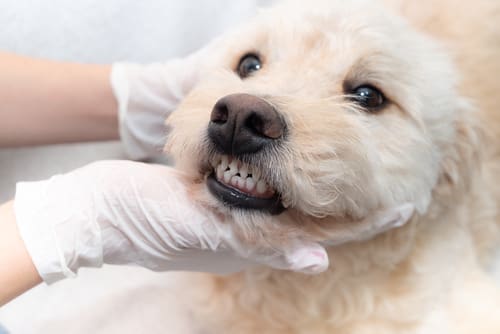
What Causes Swollen Gums in Dogs?
Several conditions can cause swollen gums in dogs, ranging from mild irritation to advanced periodontal disease. The inflammation usually starts with plaque buildup, but other underlying issues may also be at play.
Periodontal Disease
Periodontal disease is a progressive infection that affects the gums and supporting structures of the teeth. Plaque and bacteria accumulate on the teeth and harden into tartar. As tartar builds up, it irritates the gums and leads to gingivitis, the first stage of periodontal disease. Over time, untreated gingivitis can cause gum recession, tooth loss, and bone damage. Dogs with periodontal disease often experience bad breath, difficulty chewing, or bleeding when eating. Small breeds and older dogs are especially prone to gum disease due to the tight spacing of their teeth and years of bacterial buildup.
Foreign Objects and Injuries
Small objects like wood splinters, sticks, or food particles can get lodged in the gums or between teeth. These foreign bodies can cause localized swelling, redness, and pain. Dogs that chew aggressively on toys or bones may also injure their gums, leading to inflammation or infection.
Oral Infections and Abscesses
Bacterial infections and dental abscesses can cause severe swelling around a tooth or section of the gum line. Abscesses form when bacteria infect the tooth root or gum tissue, creating a pocket of pus. Dogs with an abscess may have facial swelling, drooling, or difficulty eating. Without veterinary care, an abscess can rupture or spread infection to other areas of the mouth and jaw.
Hormonal or Systemic Conditions
Certain hormonal changes or health conditions, such as diabetes or immune system disorders, can increase the risk of gum inflammation. These conditions affect the body’s ability to fight bacteria and heal tissue, allowing infections to develop more easily. Regular veterinary checkups help identify systemic issues that may contribute to swollen gums in dogs.
Oral Tumors or Growths
While less common, oral tumors or benign growths (epulides) can also cause swelling in a dog’s mouth. These growths may appear as firm, raised masses on the gums or between teeth. Early detection is key to determining whether a growth is benign or malignant. Any unexplained lump or swelling in your dog’s mouth should be evaluated promptly by your veterinarian.
Signs of Swollen Gums in Dogs
Swollen gums in dogs are not always obvious at first. Many dogs continue eating and acting normally even when their mouths hurt. However, paying attention to subtle changes can help you spot oral problems early.
Redness and Bleeding
Healthy dog gums should be pink and firm. Red, inflamed, or bleeding gums, especially along the gumline, are early warning signs of gingivitis or infection. You may notice blood on your dog’s chew toys or after brushing their teeth.
Bad Breath
Persistent bad breath is one of the earliest indicators of oral health issues. When bacteria build up on the teeth and gums, they release foul-smelling compounds. If your dog’s breath smells unpleasant even after brushing or dental cleanings, swollen gums may be part of the problem.
Drooling and Pawing at the Mouth
Dogs with gum inflammation may drool more than usual or paw at their mouth to relieve discomfort. You might also see them avoid chewing on one side or drop food while eating.
Changes in Appetite or Behavior
Swollen gums in dogs can make eating painful. You may notice your dog refusing dry food, preferring soft foods, or eating slowly. Some dogs become irritable or less active due to mouth pain.
Visible Plaque and Tartar
Yellow or brown buildup along the gumline signals poor oral hygiene. As tartar hardens, it creates a rough surface that traps bacteria and worsens inflammation. Regular dental checkups help remove tartar and prevent gum swelling from progressing.
Comprehensive Care for Dogs with Swollen Gums
Because swollen gums in dogs can have multiple causes, a veterinary examination is essential for an accurate diagnosis. The team at Broad Ripple Animal Clinic performs a full oral exam to assess the condition of your dog’s teeth and gums.
Oral Examination and Dental X-rays
Your veterinarian will look for visible signs of gingivitis, plaque, and infection. Dental X-rays may be used to detect problems below the gumline, such as root abscesses or bone loss. These images help identify the severity of periodontal disease and guide treatment recommendations.
Professional Dental Cleaning
If the swelling is caused by plaque or tartar buildup, a professional cleaning under anesthesia allows our veterinary team to remove debris from the teeth and under the gumline. This procedure helps reduce inflammation and restore gum health.
Addressing Underlying Causes
In some cases, treating swollen gums requires addressing an underlying issue such as removing a foreign object, managing a systemic condition, or evaluating a growth for biopsy. Your veterinarian will tailor the treatment plan to your dog’s individual needs.
How to Support Your Dog’s Oral Health
Although swollen gums in dogs require professional care, pet owners play a key role in maintaining long-term oral health. Prevention starts with regular at-home and professional dental care.
- Regular Dental Checkups: Routine veterinary visits allow your veterinarian to monitor your dog’s mouth and catch problems before they progress. The team at Broad Ripple Animal Clinic can recommend a dental care schedule based on your dog’s age, breed, and oral health history.
- Daily Oral Hygiene Habits: Brushing your dog’s teeth daily helps prevent plaque buildup. Use a toothbrush and toothpaste made specifically for dogs. Regular brushing, combined with dental chews or water additives, supports healthy gums between cleanings.
- Choosing Safe Chew Toys: Provide chew toys designed for dental health. Avoid hard bones or antlers, which can fracture teeth or injure the gums. Instead, choose rubber or textured chews that promote gentle cleaning and gum massage.
- Watch for Early Warning Signs: Pay attention to your dog’s eating habits, breath, and gum color. Early intervention makes treatment more effective and helps your dog stay comfortable and healthy.
If you see red, swollen, or bleeding gums in your dog, schedule an appointment with Broad Ripple Animal Clinic in Indianapolis, Indiana. The earlier swollen gums in dogs are addressed, the easier it is to restore oral health and prevent long-term damage. Call (317) 257-5334 or request an appointment online to have your dog’s mouth examined by our team. Our doctors can identify the cause of gum inflammation and help protect your pet’s smile for years to come.
Recent Posts
About Us
Your pet is unique, unconditionally loving, and a valued part of your family, and Broad Ripple Animal Clinic recognizes the incredible bond you share. You can rely on our veterinarians and staff in Indianapolis, IN to be here for you, and be deeply committed to providing the highest level of care each time you visit. This includes giving you a central voice in the care of your pet and making you an integral part of the decision-making process.
Our AAHA-accredited animal hospital delivers a full spectrum of services, advanced technology, comprehensive pain management, and regenerative therapies to promote better healing.