
Signs of Ringworms in Cats: How to Prevent This

Ringworms in cats are a common yet frustrating condition caused by a fungal infection that affects the skin, hair, and claws. Despite the name, ringworm is not a parasite but a fungus that thrives on keratin, the protein found in skin and fur. The infection typically appears as circular patches of hair loss or scaly skin and can spread easily to other pets and even people. Because of its contagious nature, identifying and managing ringworms in cats early can help prevent it from spreading throughout your home. If you suspect your cat may have ringworm, contact Broad Ripple Animal Clinic in Indianapolis, IN at (317) 257-5334 to schedule an appointment.
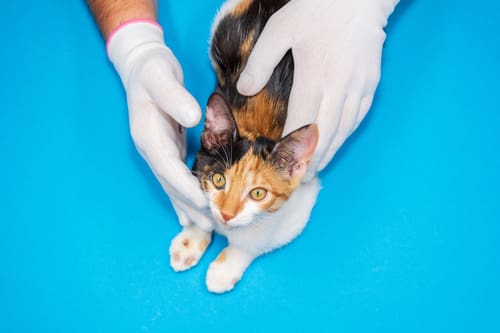
What Causes Ringworms in Cats?
Ringworms in cats are caused by a group of fungi known as dermatophytes, with Microsporum canis being the most common culprit. These fungi feed on keratin and thrive in warm, humid environments, making them especially persistent in indoor spaces. Ringworm spreads through direct contact with infected animals or contaminated objects, such as grooming tools, bedding, furniture, or carpets. Because fungal spores can survive for months in the environment, it’s easy for cats to become reinfected if proper sanitation steps aren’t taken.
Certain cats are more vulnerable to developing ringworm than others. Kittens, senior cats, and those with weakened immune systems have a higher risk. Long-haired breeds, such as Persians or Maine Coons, are also more susceptible since fungal spores can hide deep within dense fur. In multi-cat households or shelters, the infection can spread quickly if not addressed promptly.
Recognizing the Signs of Ringworms in Cats
The signs of ringworms in cats can vary depending on the severity of the infection and the cat’s immune response. Some cats may show obvious skin lesions, while others carry the fungus without visible symptoms but still spread it to others. Knowing what to look for helps you take timely action. Common signs of ringworms in cats include:
- Circular areas of hair loss with red, scaly, or crusty skin
- Patches of brittle or broken hair
- Itching or excessive grooming
- Dandruff-like flakes or small scabs
- Thickened or deformed claws (in more advanced cases)
Ringworm lesions often appear on a cat’s head, ears, or forelimbs but can occur anywhere on the body. Because it can resemble other skin issues like allergies or mange, only your veterinarian can accurately confirm whether your cat has ringworm through diagnostic testing.
Hidden Signs Pet Owners Might Miss
Not all signs of ringworms in cats are obvious. In some cases, cats may simply have a dull or uneven coat, or small patches of missing fur that go unnoticed. These mild cases can still be contagious, which makes early detection even more important. If your cat lives with other pets or frequently visits boarding facilities or groomers, regular skin and coat checks can help spot potential problems before they spread.
How Ringworm Spreads Between Pets and People
Ringworms in cats can easily spread through contact with infected animals, objects, or surfaces. When fungal spores attach to the skin or hair, they can survive for long periods, waiting for the right conditions to infect a new host. This means even brief contact can lead to transmission.
Cats can spread ringworm to other household pets, including dogs, rabbits, and guinea pigs. Humans, especially children, seniors, or anyone with compromised immunity, can also contract the fungus. The infection typically appears as small, red, circular rashes on the skin. Although treatable, it’s best to limit exposure by practicing good hygiene and keeping infected pets separated from others until cleared by your veterinarian.
Why Environmental Cleaning Matters
Since fungal spores can live on surfaces for up to a year, cleaning is a critical part of prevention. Regular vacuuming, disinfecting surfaces, and washing bedding and toys can significantly reduce the risk of reinfection. Using veterinary-approved disinfectants that target fungal spores is recommended. This proactive approach not only protects your cat but helps create a healthier environment for your family and other pets.
Preventing Ringworms in Cats
Preventing ringworms in cats starts with good hygiene, regular grooming, and early detection. While no method guarantees complete protection, consistent care reduces the risk significantly.
Here are effective ways to prevent ringworm infections in cats:
- Regular Grooming: Brushing your cat helps remove loose hair and debris while allowing you to spot early skin changes.
- Routine Vet Visits: Yearly wellness exams at Broad Ripple Animal Clinic can catch skin issues early before they spread.
- Clean Living Environment: Regularly wash your cat’s bedding, toys, and litter box. Use disinfectants safe for pets to eliminate fungal spores.
- Quarantine New Pets: If you bring a new cat into your home, keep them separate for at least two weeks and have your veterinarian check them before introducing them to others.
- Limit Shared Items: Avoid sharing grooming tools, bedding, or carriers between multiple pets unless thoroughly cleaned.
Supporting a Healthy Immune System
A strong immune system helps cats resist infections, including ringworm. Feeding a balanced diet, maintaining a low-stress environment, and ensuring your cat stays up to date on wellness care all contribute to overall health. Regular veterinary checkups allow your veterinarian to detect early changes in skin or coat condition and provide guidance tailored to your cat’s needs.
When Should You Contact Your Veterinarian?
Because ringworms in cats can resemble many other skin conditions, scheduling a veterinary visit is the only way to know for sure what’s going on. Our team at Broad Ripple Animal Clinic in Indianapolis uses diagnostic testing to identify fungal infections and determine the best course of action. This professional evaluation helps prevent unnecessary treatments and ensures your cat receives care that addresses the actual cause. If you notice hair loss, scaly patches, or persistent itching, contact our clinic at (317) 257-5334 or request an appointment online. Early detection and professional care make managing ringworm far easier and minimize its impact on your household.
Protecting Your Cat and Home from Future Infections
Once you’ve dealt with ringworms in cats, you’ll want to reduce the chances of it happening again. Fungal spores are resilient, but a few simple habits can go a long way toward prevention. Continue cleaning regularly, inspect your cat’s skin and coat often, and follow your veterinarian’s guidance for ongoing care. Even after your cat’s skin appears normal, some spores may still linger. Maintaining your cleaning routine for a few additional weeks ensures your home stays fungus-free. Regular grooming sessions also give you the opportunity to spot any early changes before they become widespread.
At Broad Ripple Animal Clinic, our veterinary team is dedicated to helping cats stay healthy, comfortable, and free of skin infections. If you think your cat may be showing signs of ringworm or you’d like to discuss preventive care, call (317) 257-5334 or make an appointment today. With professional guidance and consistent care, your cat can enjoy healthier skin and a happier life.
Recent Posts
About Us
Your pet is unique, unconditionally loving, and a valued part of your family, and Broad Ripple Animal Clinic recognizes the incredible bond you share. You can rely on our veterinarians and staff in Indianapolis, IN to be here for you, and be deeply committed to providing the highest level of care each time you visit. This includes giving you a central voice in the care of your pet and making you an integral part of the decision-making process.
Our AAHA-accredited animal hospital delivers a full spectrum of services, advanced technology, comprehensive pain management, and regenerative therapies to promote better healing.