
Why Is My Puppy Drooling So Much?

Puppies have a way of melting our hearts with their wet noses, wagging tails, and all. But if you’ve recently found yourself wiping up puddles of drool and wondering, “Why is my puppy drooling so much?”, you’re not alone. Some drooling is completely normal, but when it seems constant or excessive, it can leave pet owners curious or even concerned. Keep reading to uncover the most common reasons puppies drool and when it’s time to reach out to your veterinarian at Broad Ripple Animal Clinic in Indianapolis.
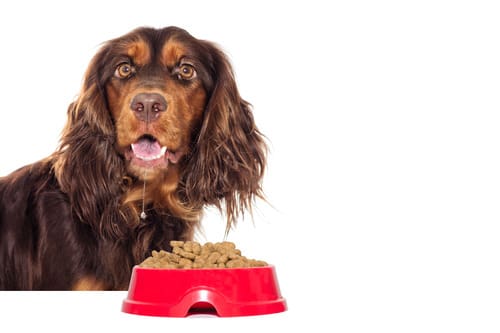
Normal Reasons Your Puppy Might Be Drooling So Much
Drooling is a natural process that happens when saliva builds up faster than your puppy can swallow it. In many cases, puppy drooling so much simply means their salivary glands are working as they should. Saliva keeps the mouth moist, helps digest food, and protects teeth and gums. Certain breeds, such as Saint Bernards, Boxers, and Bloodhounds, are naturally more prone to drooling due to their loose lips and jowls.
Other times, your puppy may drool when they see or smell food, during play, or after physical activity. Excitement often increases saliva production, especially in young dogs still learning to regulate their emotions. Warm weather can also make puppies drool more as they pant to cool down.
Teething and Excess Saliva
One of the most common explanations for puppy drooling so much is teething. Between three and six months of age, puppies lose their baby teeth and grow adult ones. This process can cause gum irritation, making them drool more than usual. You may notice other signs like chewing on toys, mild fussiness, or reluctance to eat hard kibble. Once teething ends, most puppies drool less frequently.
Stress, Anxiety, and Environmental Triggers
Stress and anxiety can also cause puppy drooling so much that it appears excessive. Just like people, dogs can react physically to their emotions. A car ride, visit to a new place, or loud noises can make them nervous, and drooling may follow.
In these cases, drooling often happens suddenly and stops once the stressor goes away. For instance, if your puppy drools in the car, it might be a sign of motion sickness or nervousness about traveling. Puppies experiencing anxiety might also pace, whine, pant, or shake in addition to drooling.
Motion Sickness and Drooling
Many puppies drool during car rides because their bodies are still adjusting to motion and balance. The feeling of movement can upset their stomachs, leading to nausea and increased salivation. Over time, most dogs outgrow motion sickness as they associate car rides with positive experiences. If your puppy drooling so much happens only during travel, this could be the reason.
When Drooling May Indicate a Health Concern
While occasional drooling is normal, constant or excessive saliva can sometimes point to an underlying issue. If your puppy drooling so much seems persistent or comes with other changes in behavior or appetite, it’s best to reach out to your veterinarian. Some possible causes include dental discomfort, oral injuries, or something stuck in the mouth. Puppies are naturally curious and may chew or swallow objects that can irritate the gums or throat. A foreign object, such as a stick or small toy, can make swallowing painful and increase drooling.
Oral Health Problems and Drooling
Dental and oral issues can also explain why a puppy is drooling so much. Infections, inflammation, or retained baby teeth may make your puppy’s mouth uncomfortable. You might notice redness, swelling, or a foul odor from their mouth. Because puppies use their mouths to explore, small cuts or scrapes on the gums can also trigger drooling as saliva tries to cleanse the area.
Nausea or Digestive Upset
If your puppy has an upset stomach, drooling often occurs before or during nausea. Puppies may drool before vomiting, especially after eating something they shouldn’t. While the cause may be minor, it’s always best to have your veterinarian check if the drooling continues or if vomiting, diarrhea, or fatigue follows.
Breeds That Naturally Drool More
If you’ve been wondering why your puppy drooling so much, the answer may come down to genetics. Certain breeds simply produce and release more saliva due to their anatomy. Dogs with large, loose lips and deep jowls can’t contain saliva as easily, leading to more drooling.
Breeds known for frequent drooling include:
- Saint Bernards
- Mastiffs
- Bloodhounds
- Newfoundlands
- Boxers
- Bulldogs
While drooling is normal for these breeds, owners should still monitor any sudden increases or changes. Excessive drooling can still signal discomfort or illness even in dogs known for it.
External Causes of Excessive Drooling
Environmental factors can also play a role in puppy drooling so much. Puppies are sensitive to changes around them, and their saliva production may rise under certain conditions. Common external triggers include:
- Heat and humidity: Puppies may drool more as their bodies regulate temperature.
- New smells or tastes: Exposure to unfamiliar scents, cleaning products, or plants can trigger extra salivation.
- Excitement or play: A day full of activity and fun can make your puppy pant and drool more than usual.
- Car rides: The combination of motion, heat, and anxiety often increases drooling.
If your puppy’s drooling is tied to a specific event or environment and stops afterward, it’s usually nothing to worry about.
Signs It’s Time to Call Your Broad Ripple Veterinarian
Knowing when to reach out to your vet can give you peace of mind. If your puppy drooling so much seems excessive or appears suddenly, it’s worth having them examined. Contact Broad Ripple Animal Clinic at (317) 257-5334 or schedule an appointment if your puppy’s drooling comes with any of these signs:
- Difficulty eating or swallowing
- Swelling around the mouth or face
- Pawing at the mouth
- Loss of appetite
- Lethargy or behavioral changes
- Vomiting or diarrhea
- Signs of pain or distress
Your veterinarian can check for dental issues, injuries, or other conditions and recommend the best course of action.
Helping Your Puppy Feel Comfortable
While you can’t always prevent puppy drooling so much, you can make your pup more comfortable. Keep their space calm, provide plenty of water, and avoid overexcitement before car rides. Use chew toys designed for teething to soothe their gums, and maintain a clean, safe environment to minimize chewing on unsafe items. Routine wellness visits at Broad Ripple Animal Clinic help track your puppy’s growth and catch potential issues early. Your veterinarian can also provide insight into what level of drooling is normal for your puppy’s age and breed.
Supporting Your Puppy’s Health with Expert Care in Indianapolis
If you’re noticing your puppy drooling so much that it seems out of the ordinary, it’s always best to get professional guidance. The team at Broad Ripple Animal Clinic in Indianapolis, Indiana, provides compassionate, knowledgeable care to help you understand your puppy’s needs. Whether it’s teething, stress, or something that needs attention, they’ll guide you through the next steps with expertise and care. Call (317) 257-5334 or request an appointment online to have your puppy evaluated. With the right care and attention, your growing companion will stay happy, healthy, and drool-free for many years to come.
Recent Posts
About Us
Your pet is unique, unconditionally loving, and a valued part of your family, and Broad Ripple Animal Clinic recognizes the incredible bond you share. You can rely on our veterinarians and staff in Indianapolis, IN to be here for you, and be deeply committed to providing the highest level of care each time you visit. This includes giving you a central voice in the care of your pet and making you an integral part of the decision-making process.
Our AAHA-accredited animal hospital delivers a full spectrum of services, advanced technology, comprehensive pain management, and regenerative therapies to promote better healing.