
Everything You Need to Know About Ligament Injuries in Dogs

Ligament injuries in dogs are among the most common orthopedic problems veterinarians treat. These injuries often occur when a ligament, or a band of connective tissue that stabilizes a joint, stretches or tears due to sudden movement, trauma, or degeneration over time. When a ligament becomes damaged, dogs can experience pain, lameness, and joint instability that impacts their mobility and overall quality of life. In Indianapolis, pet owners frequently encounter ligament issues in active or aging dogs, making awareness and timely veterinary care essential. If you suspect your dog has a ligament injury, call Broad Ripple Animal Clinic at (317) 257-5334 or make an appointment to have your pet evaluated.
What Are Ligament Injuries in Dogs?
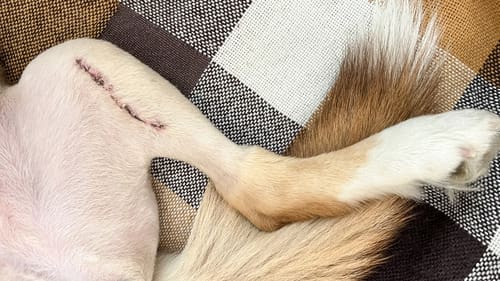
Ligament injuries in dogs involve damage to the fibrous tissues that hold bones together within a joint. These ligaments are critical for maintaining joint stability and proper movement. When a ligament tears or overstretches, it disrupts that stability and can cause discomfort or difficulty bearing weight.
CCL Tears
The most common type of ligament injury in dogs involves the cranial cruciate ligament (CCL), which is similar to the anterior cruciate ligament (ACL) in humans. This ligament helps stabilize the knee (stifle) joint and prevents the shinbone from sliding forward. When the CCL tears—whether partially or completely—the knee joint becomes unstable and painful. Other ligaments, such as those in the ankle (hock), shoulder, or carpal joints, can also be affected, though less frequently.
Why Ligament Injuries Occur
Ligament injuries can occur suddenly, such as during a jump or sprint, or gradually due to wear and tear over time. Large breeds, overweight dogs, and active pets are especially prone to these injuries. Understanding how these injuries happen helps pet owners take steps toward prevention and prompt treatment.
Common Causes of Ligament Injuries in Dogs
Dogs can experience ligament injuries for various reasons, ranging from acute trauma to chronic stress on their joints. In many cases, the damage results from a combination of factors rather than a single incident.
- Sudden Movements or Trauma: Dogs that run, twist, or jump abruptly may overstretch or tear a ligament. A quick pivot at high speed, slipping on ice, or landing incorrectly after a jump can all trigger injury. Sporting breeds and energetic dogs are particularly susceptible because of their high activity levels.
- Degenerative Changes: Some ligament injuries develop over time as the tissue weakens. Aging, joint inflammation, or repetitive strain can gradually compromise ligament strength until a tear occurs. These degenerative injuries are common in older dogs and those with pre-existing joint conditions.
- Obesity and Excess Weight: Carrying extra weight places significant stress on a dog’s joints and ligaments. Over time, this added strain can lead to inflammation and eventual tearing. Weight management plays a major role in reducing the risk of ligament injuries in dogs.
- Genetic Predisposition: Certain breeds, such as Labradors, Rottweilers, Boxers, and Golden Retrievers, have a higher genetic tendency toward CCL injuries. This may be due to differences in leg structure, muscle development, or joint angle.
- Inadequate Conditioning: Dogs that are not properly conditioned or that suddenly increase activity without building up strength and flexibility are more likely to experience ligament problems. A balanced exercise routine helps maintain muscle tone and joint stability, reducing injury risk.
What Are the Signs of Ligament Injuries in Dogs?
Dogs with ligament injuries often show clear signs of discomfort or mobility issues. Paying attention to subtle changes in your pet’s behavior or movement can help you identify a potential problem early. Common symptoms include:
- Sudden or intermittent lameness in one leg
- Difficulty standing, climbing stairs, or jumping
- Swelling or visible instability in the joint
- A “popping” sound or clicking when moving
- Reluctance to play or walk
- Sitting or standing with the injured leg held out or slightly turned
Some dogs may initially seem to improve after rest, only to limp again after activity. This pattern often indicates partial ligament damage that worsens with continued strain. Early veterinary evaluation helps prevent further injury and chronic pain.
Types of Ligament Injuries in Dogs
While several ligaments can be affected, the cranial cruciate ligament (CCL) injury remains the most prevalent. However, it’s helpful to understand the other types as well, since symptoms and effects can differ depending on the joint involved.
Cranial Cruciate Ligament (CCL) Tears
The CCL stabilizes the knee joint and prevents abnormal sliding of the bones. A tear leads to pain, inflammation, and often arthritis if left untreated. CCL tears can be partial or complete, and they often occur in both knees over time.
Medial Collateral Ligament (MCL) and Lateral Collateral Ligament (LCL) Injuries
These ligaments are found on the inner and outer sides of the knee, respectively. They help maintain side-to-side stability. Injuries here usually occur due to trauma, such as being struck on the side of the leg.
Achilles Tendon and Hock Ligament Injuries
Ligaments in the hock joint (similar to the human ankle) can become damaged from jumping or running on uneven surfaces. Dogs may appear to walk flat-footed if the hock ligaments or Achilles tendon are compromised.
Shoulder and Carpal Ligament Injuries
Active dogs, especially agility competitors, may suffer ligament strains in the shoulder or wrist areas. These injuries often cause subtle lameness that worsens with exercise. Each type of ligament injury requires a different approach to stabilization and recovery, which your veterinarian will determine based on your dog’s condition.
What Happens During a Ligament Injury Evaluation
Diagnosing ligament injuries in dogs involves a thorough physical examination combined with diagnostic imaging. Veterinarians use several methods to assess joint stability and identify the extent of damage.
- Physical Exam: Your veterinarian will evaluate your dog’s gait, posture, and range of motion. They may perform specific manipulations, such as the “drawer test” or “tibial thrust test,” to check for instability in the knee joint.
- Imaging: X-rays help detect joint swelling, bone alignment issues, or signs of arthritis secondary to ligament injury. In more complex cases, MRI or CT scans may be recommended to assess soft tissue damage in greater detail.
- Medical History and Observation: Information about your dog’s activity level, when the limping began, and whether it worsens after exercise helps your veterinarian make an accurate diagnosis.
Because ligament damage can worsen if untreated, prompt evaluation is key to protecting your dog’s mobility and comfort.
How Can a Ligament Injury in a Dog Be Treated?
Treatment for ligament injuries in dogs depends on the severity of the damage, the dog’s size, age, and overall health. Your veterinarian will discuss the most appropriate options after a thorough assessment.
- Stabilization and Rest: For mild or partial tears, rest and restricted activity may allow the ligament to heal with supportive care. Controlled exercise, weight management, and anti-inflammatory medication (prescribed by a vet) are often part of the recovery plan.
- Surgical Intervention: Complete ligament tears, especially CCL injuries, often require surgical stabilization to restore joint function and reduce long-term arthritis risk. Procedures such as TPLO (Tibial Plateau Leveling Osteotomy) or TTA (Tibial Tuberosity Advancement) are commonly performed to correct joint mechanics.
- Rehabilitation and Physical Therapy: Post-treatment care is essential for recovery. Veterinary rehabilitation, including hydrotherapy, controlled exercises, and therapeutic laser therapy, can strengthen surrounding muscles and improve joint mobility.
- Weight and Lifestyle Management: Reducing excess weight significantly lowers stress on joints and prevents reinjury. Your veterinarian can recommend a balanced diet and safe activity levels to maintain your dog’s progress.
Tips for Preventing Ligament Injuries in Dogs
While not all ligament injuries can be prevented, pet owners can take practical steps to minimize risk. Maintaining a healthy weight, providing regular low-impact exercise, and avoiding abrupt changes in activity help protect your dog’s joints. Preventive tips include:
- Keep your dog at a healthy weight through proper diet and exercise.
- Build muscle strength with consistent, moderate activity such as swimming or walking.
- Avoid repetitive jumping or high-impact play on hard or slippery surfaces.
- Schedule regular wellness exams to monitor joint health and detect early signs of instability.
Prevention goes a long way in reducing the likelihood of ligament injuries in dogs, especially for active breeds or senior pets.
Supporting Your Dog’s Recovery and Long-Term Joint Health
Ligament injuries in dogs can be challenging, but with early detection and professional care, most dogs return to an active and comfortable life. Ongoing attention to joint health—including weight control, regular exercise, and follow-up veterinary visits—helps maintain stability and mobility for years to come. If your dog shows signs of limping or joint pain, contact Broad Ripple Animal Clinic in Indianapolis at (317) 257-5334 or schedule an appointment online. Our team will provide a thorough evaluation and customized care plan to help your dog feel their best again.
Recent Posts
About Us
Your pet is unique, unconditionally loving, and a valued part of your family, and Broad Ripple Animal Clinic recognizes the incredible bond you share. You can rely on our veterinarians and staff in Indianapolis, IN to be here for you, and be deeply committed to providing the highest level of care each time you visit. This includes giving you a central voice in the care of your pet and making you an integral part of the decision-making process.
Our AAHA-accredited animal hospital delivers a full spectrum of services, advanced technology, comprehensive pain management, and regenerative therapies to promote better healing.