
Hot Spots on Cats: Causes, Symptoms, and Treatments

Hot spots on cats, also known as acute moist dermatitis, are painful, inflamed areas of skin that develop quickly and can worsen without prompt care. These irritated patches often appear red, moist, and sometimes oozing. They may cause a cat to excessively lick, scratch, or bite at the affected area. Hot spots on cats typically result from an underlying cause such as allergies, parasites, or skin infections. Although they can occur at any time of year, they’re more common during warm and humid weather. If you notice red, irritated skin or hair loss on your cat, it’s important to schedule an appointment with your veterinarian at Broad Ripple Animal Clinic in Indianapolis, IN. Call (317) 257-5334 or make an appointment today to have your cat evaluated by an experienced veterinary team.
What Are Hot Spots on Cats?
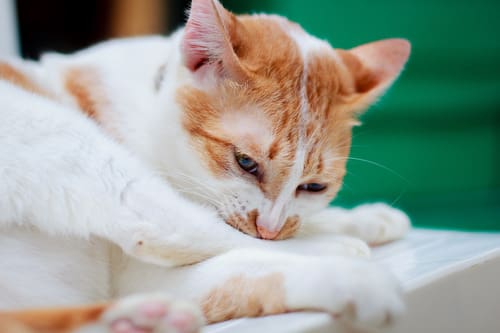
Hot spots on cats develop when the skin becomes inflamed due to excessive moisture, irritation, or infection. The condition often begins with a small wound or area of irritation such as a bug bite or scratch that becomes aggravated through persistent licking or scratching. Once the skin barrier breaks, bacteria can quickly multiply, leading to a hot spot. These sores often appear suddenly and can spread rapidly if left untreated.
Cats of any breed or age can develop hot spots, but those with dense coats, allergies, or existing skin sensitivities may be more prone to them. The most commonly affected areas include the head, neck, tail base, and thighs. Hot spots can be painful and itchy, prompting even more grooming behavior, which worsens the condition.
Common Locations on the Body
Hot spots may appear almost anywhere, but they’re often found in areas your cat can easily reach to lick or scratch. These include:
- The neck or chin, often linked to flea allergies or collar irritation
- The tail base, commonly associated with flea bites or anal gland discomfort
- The sides or thighs, where environmental or food allergies may cause irritation
- The back or shoulders, sometimes triggered by grooming or stress-related behaviors
Each cat’s case may look different, but the cycle of irritation, scratching, and infection tends to be the same.
What Causes Hot Spots on Cats?
Hot spots on cats can result from various underlying conditions that cause itching or skin irritation. Identifying and addressing the cause is key to preventing recurring outbreaks.
Allergies
Allergies can be triggered by fleas, food ingredients, pollen, or even cleaning products. When an allergic reaction occurs, the skin becomes inflamed and itchy, leading to excessive scratching and grooming that breaks the skin’s surface.
Fleas and Other Parasites
Even a single flea bite can cause intense itching in sensitive cats. Flea allergy dermatitis, a common skin condition in cats, occurs when the immune system overreacts to flea saliva. Mites and other parasites can also cause similar irritation, leading to open sores that quickly develop into hot spots.
Wounds and Skin Trauma
Minor cuts, insect bites, or abrasions can serve as entry points for bacteria. Once the wound becomes contaminated, the body reacts with inflammation, and the area can develop into a hot spot. Cats that fight or scratch themselves frequently may be at higher risk.
Ear or Anal Gland Issues
Sometimes, hot spots develop secondary to other discomforts. For instance, if your cat has ear mites or an ear infection, it might scratch around the neck and head, causing skin irritation. Similarly, anal gland discomfort can lead to excessive licking at the tail base, resulting in hot spots.
Stress and Behavioral Overgrooming
Cats sometimes groom excessively when they feel anxious or bored. This overgrooming can lead to hair loss, redness, and eventually open sores. Hot spots caused by stress may require both medical treatment and behavioral support to manage effectively.
Symptoms of Hot Spots on Cats
The symptoms of hot spots on cats can appear quickly, often worsening within hours or days. Pet owners should monitor their cats closely for early warning signs.
Visible Signs
Hot spots are typically easy to spot once they develop. Common signs include:
- Red, moist, or oozing patches of skin
- Hair loss around the affected area
- Swelling or raised lesions
- Scabs or crusts forming over the sore
- Foul odor from the infected area
Behavioral Signs
Along with physical symptoms, cats may show changes in their behavior when dealing with hot spots. You might notice:
- Persistent licking or biting at one area
- Restlessness or agitation
- Avoiding touch near the affected spot
- Scratching or rubbing against furniture
If your cat shows any of these signs, schedule a visit with your veterinarian at Broad Ripple Animal Clinic. Early treatment helps relieve discomfort and prevents the spread of infection.
Diagnosing Hot Spots in Cats
Diagnosing hot spots involves a thorough examination of your cat’s skin and identifying potential underlying causes. Your veterinarian may perform the following steps:
- Physical Examination – Your vet will examine your cat’s coat and skin to determine the severity of the lesion and check for other affected areas.
- Skin Tests – Diagnostic tests, such as skin scrapings or cytology, can help rule out parasites or bacterial infections.
- Allergy Assessment – If allergies are suspected, your vet might recommend further testing or diet trials to pinpoint the trigger.
- Parasite Control Review – Your vet will check for signs of fleas or mites and review your cat’s preventive care routine.
A detailed evaluation ensures that treatment targets both the symptoms and the root cause of the hot spots on your cat.
How Your Veterinarian Helps Heal Cat Hot Spots
Treatment for hot spots on cats focuses on reducing inflammation, controlling infection, and preventing further irritation. The approach your Broad Ripple veterinarian recommends will depend on the cause and severity of the hot spot.
Professional Care
Veterinarians may trim the fur around the affected area to allow the skin to breathe and make it easier to clean. This helps stop the spread of bacteria and promotes faster healing. Your vet may also clean the area with an antiseptic solution and prescribe appropriate medication if needed.
Managing Itching and Pain
Since itching is often a major concern, your veterinarian may suggest therapies to soothe irritation and reduce inflammation. Relieving discomfort helps stop the cycle of scratching and licking that can worsen the condition.
Addressing the Underlying Cause
Successful treatment requires identifying what caused the hot spot in the first place. If allergies or fleas are to blame, your vet will recommend an ongoing management plan that may include parasite prevention or dietary adjustments. Addressing these factors helps reduce the likelihood of future outbreaks.
How to Prevent Hot Spots on Cats
Preventing hot spots on cats involves proactive care and attention to your cat’s skin, coat, and overall well-being. While some cases are unavoidable, consistent care can significantly reduce the risk.
- Regular Grooming: Brush your cat frequently to remove loose fur, dirt, and debris. Regular grooming helps distribute natural oils across the skin, keeping it healthy and reducing the chance of matting, which can trap moisture and lead to irritation.
- Parasite Prevention: Use veterinarian-approved flea and tick prevention year-round. Even indoor cats can be exposed to fleas through other pets or visitors. Parasite prevention protects against one of the most common causes of hot spots on cats.
- Monitor for Allergies: If your cat has known allergies, work with your veterinarian to identify and manage triggers. Consistent monitoring helps minimize flare-ups that can cause skin irritation.
- Reduce Stress: Environmental enrichment such as interactive toys, scratching posts, and quiet resting spaces can help reduce stress-related overgrooming.
- Regular Veterinary Checkups: Routine exams allow your veterinarian to spot skin changes early and recommend treatment before small irritations become larger problems.
Your Partner in Cat Skin Health
Hot spots on cats can be uncomfortable and distressing, but with prompt veterinary care and preventive measures, your cat can recover quickly and stay healthy. At Broad Ripple Animal Clinic, our team understands the importance of diagnosing and managing skin issues effectively. If you notice your cat licking excessively, scratching, or developing red, irritated patches, call (317) 257-5334 or make an appointment online. We’re here to help your cat feel comfortable again and return to their happy, healthy self.
Recent Posts
About Us
Your pet is unique, unconditionally loving, and a valued part of your family, and Broad Ripple Animal Clinic recognizes the incredible bond you share. You can rely on our veterinarians and staff in Indianapolis, IN to be here for you, and be deeply committed to providing the highest level of care each time you visit. This includes giving you a central voice in the care of your pet and making you an integral part of the decision-making process.
Our AAHA-accredited animal hospital delivers a full spectrum of services, advanced technology, comprehensive pain management, and regenerative therapies to promote better healing.