
Dental Disease in Cats: Causes, Symptoms, and Treatment

A quiet purr on the couch can hide a painful problem. Dental disease in cats ranks among the most common health conditions veterinarians diagnose, yet many cats show subtle signs until discomfort advances. This condition affects the teeth, gums, and supporting structures of the mouth, often starting with plaque buildup that leads to inflammation, infection, and damage below the gumline. When pet owners understand how dental disease in cats develops and what it looks like, they can act sooner and protect their cat’s comfort and quality of life. At Broad Ripple Animal Clinic, the care team sees how oral health connects to overall wellness every day in Indianapolis. Learning the causes, symptoms, and treatment options helps you recognize when it is time to schedule an exam and take the next step.
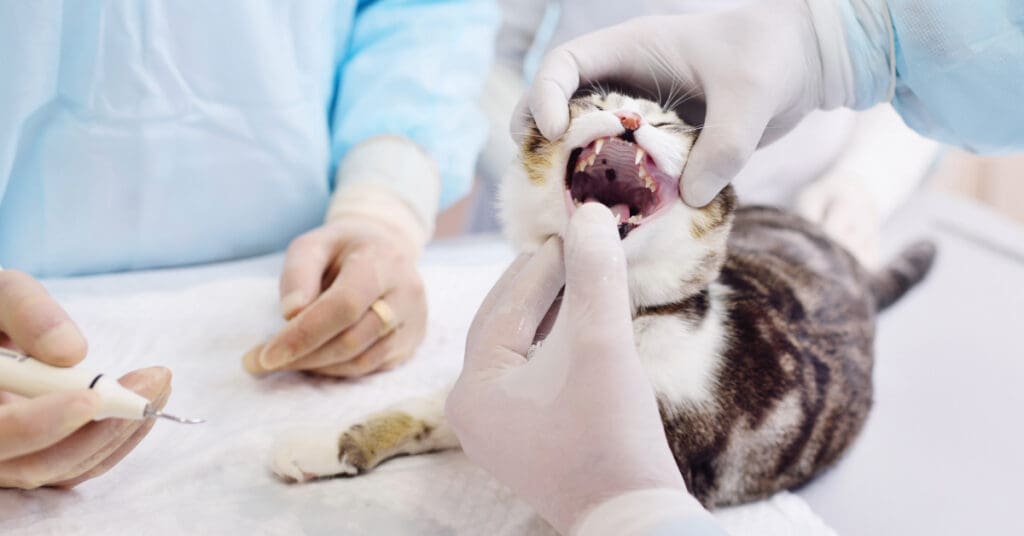
Causes of Cat Dental Disease
Dental disease in cats begins with bacteria. After a cat eats, food particles and bacteria mix with saliva and form a sticky film called plaque on the tooth surface. When plaque remains in place, minerals in the saliva harden it into tartar, which adheres firmly to teeth and irritates the surrounding gum tissue. This irritation leads to gingivitis, an early stage of dental disease in cats marked by red, swollen gums that may bleed easily. Without professional care, inflammation can progress deeper, affecting the tissues and bone that support the teeth. As these structures weaken, teeth loosen, infection spreads, and oral pain increases.
Several factors influence how quickly dental disease develops. Age plays a role, as plaque accumulates over time and older cats often show more advanced changes. Diet texture and chewing habits also affect how much debris remains on the teeth. Some cats have crowded teeth or jaw alignment differences that trap food and bacteria in hard-to-clean areas. Genetics can influence susceptibility, and certain medical conditions that affect the immune system may worsen inflammation in the mouth. When these elements combine, dental disease in cats can progress quietly beneath the gumline.
Plaque, Tartar, and Inflammation
Plaque forms daily, and once tartar develops, it creates a rough surface that attracts even more bacteria. This cycle fuels ongoing gum inflammation and allows bacteria to move under the gumline. The body’s immune response to these bacteria contributes to tissue damage. Over time, periodontal disease can develop, which describes infection and destruction of the structures that anchor teeth in place. At this stage, dental disease in cats extends beyond simple surface buildup and involves deeper oral tissues.
Tooth Resorption and Other Conditions
Cats face additional dental issues that complicate oral health. Tooth resorption, a condition where the body breaks down tooth structure, often occurs alongside other forms of dental disease in cats. These lesions can cause significant pain and may not be obvious without a thorough veterinary exam and dental imaging. Fractured teeth, oral masses, and infections at the tooth root can also occur, further affecting comfort and function. Identifying these problems early supports more effective treatment planning.
Common Symptoms of Dental Disease in Cats
Cats excel at hiding discomfort, which makes careful observation important. The following are common symptoms or behaviors of dental disease in cats:
- Bad breath that persists despite normal grooming habits. This odor often signals bacterial overgrowth and infection in the mouth.
- Changes in eating behavior such as approaching the food bowl with interest, then hesitating, dropping food, or chewing on one side of the mouth. Some cats prefer softer foods because chewing becomes uncomfortable.
- Red, swollen, or bleeding gums suggest inflammation.
- Yellow or brown tartar on the teeth indicates plaque mineralization.
- Drooling, pawing at the mouth, or rubbing the face against objects can signal oral pain.
- In more advanced cases, pet owners may notice weight loss due to reduced food intake.
- Behavioral changes, such as decreased grooming, irritability, or hiding may occur because chronic pain affects mood and activity levels.
Subtle Changes Pet Owners May Miss
Some signs appear less dramatic but still matter. A cat that swallows food whole instead of chewing may try to avoid discomfort. Preference for one side of the mouth, slower eating, or leaving hard kibble behind can indicate trouble. Excessive salivation or a change in the sound of a cat’s meow can occur if oral structures become inflamed. Because these shifts often develop gradually, regular veterinary exams help detect dental disease in cats before severe symptoms appear.
Steps Veterinarians Take to Evaluate Cat Dental Health
A veterinary evaluation provides the most accurate picture of oral health. During a physical exam, your veterinarian inspects the teeth and gums for tartar, redness, swelling, and other visible changes. However, much of dental disease in cats hides below the gumline, where the eye cannot see. Dental imaging allows the care team to evaluate tooth roots, bone levels, and areas of infection or resorption that remain hidden during a simple visual check.
Your veterinarian also considers the cat’s medical history, age, and any reported changes in behavior or appetite. Combining these findings helps determine the stage of dental disease and the most appropriate next steps. Early detection supports less invasive care, while advanced disease may require more involved treatment to address infection and discomfort.
Treatment Options for Dental Disease in Cats
Treatment for dental disease in cats focuses on removing the source of infection and restoring oral comfort. Professional dental cleaning under veterinary supervision allows the team to scale away plaque and tartar from above and below the gumline. Polishing the teeth smooths the enamel surface, which slows future plaque attachment. During this process, the veterinarian examines each tooth carefully and reviews dental images to identify hidden issues.
When teeth have significant damage, infection, or resorption, extraction may become necessary to relieve pain and prevent ongoing problems. Addressing these teeth often improves a cat’s comfort quickly, even if pet owners worry about tooth loss. The goal of treatment remains clear: reduce bacteria, resolve inflammation, and support a healthier mouth. Follow-up exams allow your veterinary team to monitor healing and track long-term oral health.
Why Timely Care Matters
Untreated dental disease in cats does not remain limited to the mouth. Bacteria from oral infections can enter the bloodstream and affect other organs. Chronic pain also affects a cat’s appetite, grooming, and daily behavior. Early evaluation and treatment help limit these effects and support overall wellness. If you notice signs of dental disease in cats, calling (317) 257-5334 to schedule an appointment allows our care team at Broad Ripple Animal Clinic to assess your cat’s needs.
Ways to Prevent Dental Disease in Cats
Prevention centers on limiting plaque buildup and monitoring oral health over time.
- Routine veterinary exams provide regular opportunities to evaluate the mouth and detect early changes.
- Professional dental cleanings, performed as recommended by your veterinarian, remove tartar that cannot be addressed through routine home care alone. These visits also allow for dental imaging and detailed assessment of each tooth.
- Daily habits also influence long-term oral health. Consistent dental care routines designed in partnership with your veterinary team help reduce plaque accumulation between visits.
- Dental-friendly diets or products recommended by your veterinarian may support oral hygiene as part of a broader prevention plan.
- Observing your cat’s eating habits, breath, and behavior at home allows you to report changes promptly.
- Working together with your veterinary team supports earlier detection of dental disease in cats and more effective management over time.
Supporting Your Cat’s Oral Health at Every Life Stage
Oral care remains important from kittenhood through the senior years. Young cats benefit from early exposure to oral exams, which helps them become more comfortable with handling around the mouth. Adult cats often begin to show signs of plaque and gingivitis, making regular evaluations essential. Senior cats may face more advanced dental disease in cats, along with other health conditions that influence treatment planning. Each life stage brings different considerations, and ongoing communication with your veterinary team helps tailor care to your cat’s needs.
If you have questions about dental disease in cats or have noticed changes in your cat’s breath, eating, or behavior, schedule an appointment with Broad Ripple Animal Clinic. Our team can evaluate your cat’s oral health, discuss findings, and outline the next steps. Call (317) 257-5334 to arrange a visit and keep your cat moving toward a healthier, more comfortable future.
Recent Posts
About Us
Your pet is unique, unconditionally loving, and a valued part of your family, and Broad Ripple Animal Clinic recognizes the incredible bond you share. You can rely on our veterinarians and staff in Indianapolis, IN to be here for you, and be deeply committed to providing the highest level of care each time you visit. This includes giving you a central voice in the care of your pet and making you an integral part of the decision-making process.
Our AAHA-accredited animal hospital delivers a full spectrum of services, advanced technology, comprehensive pain management, and regenerative therapies to promote better healing.