
Signs of Arthritis in Dogs, How This Can Be Treated

Arthritis in dogs is a common condition that causes joint inflammation, stiffness, and pain, especially in older or large-breed dogs. Over time, it can affect your pet’s mobility, comfort, and overall quality of life. While arthritis in dogs cannot be cured, it can be effectively managed with professional veterinary care, lifestyle adjustments, and treatment plans designed to reduce pain and improve joint function. Early detection makes a significant difference, so recognizing the signs and knowing when to seek help is vital. If your dog is showing changes in movement or behavior, contact Broad Ripple Animal Clinic in Indianapolis at (317) 257-5334 or make an appointment online to schedule an evaluation.
Common Signs of Arthritis in Dogs
Arthritis in dogs often develops slowly, and its early symptoms can be easy to miss. What may seem like simple “slowing down with age” could actually be a sign of joint discomfort. Recognizing these changes early allows your veterinarian to begin treatment and prevent further joint damage. Common signs of arthritis in dogs include:
- Limping or favoring a leg: Dogs with arthritis may limp after rest or have trouble bearing weight on one or more legs.
- Stiffness after sleeping or resting: Your dog might move stiffly when getting up, especially in the morning or after naps.
- Difficulty climbing stairs or jumping: You may notice hesitation or refusal to do things they once enjoyed, such as getting on the couch or into the car.
- Changes in gait: Some dogs develop an uneven stride or shorter steps.
- Decreased activity levels: Arthritic dogs often lose interest in play or exercise because movement becomes uncomfortable.
- Irritability or sensitivity to touch: Dogs in pain might react defensively when their joints are handled.
- Licking or chewing joints: Some dogs focus on painful areas as a self-soothing behavior.
If your pet shows any of these signs, schedule an appointment at Broad Ripple Animal Clinic. A thorough examination and diagnostic testing can confirm whether arthritis is the cause and identify which joints are affected.
What Causes Arthritis in Dogs?
Arthritis in dogs typically develops from wear and tear on the joints over time, but several factors can increase the likelihood of developing the condition. Age and joint use are the most common contributors. As dogs age, the cartilage that cushions their joints gradually deteriorates, leading to bone friction and inflammation. Genetics also play a role, particularly in large or giant breeds like Labrador Retrievers, German Shepherds, and Golden Retrievers. These dogs are more prone to hip and elbow dysplasia, conditions that can lead to arthritis in dogs later in life.
Past injuries such as fractures, ligament tears, or dislocations can also cause arthritis. When a joint is injured, it becomes more vulnerable to long-term inflammation and structural changes. Obesity adds another layer of risk, as excess weight puts additional strain on joints and accelerates cartilage breakdown. Underlying joint disease or infection can also trigger arthritis in dogs. In these cases, early intervention is key to managing pain and slowing progression.
How Veterinarians Diagnose Arthritis in Dogs
Identifying arthritis in dogs begins with a detailed physical examination and medical history. Your veterinarian will observe your dog’s gait, joint flexibility, and pain response. They may ask questions about your dog’s activity level, appetite, and any recent behavior changes.
To confirm arthritis and rule out other conditions, diagnostic tests may be recommended.
Physical Exams and Palpation
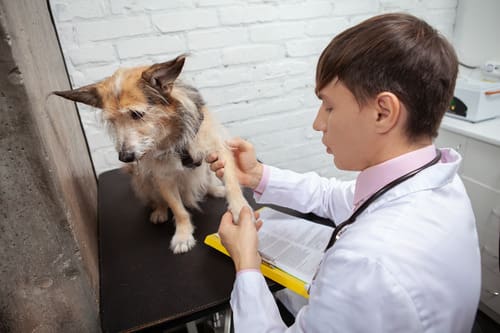
During a physical exam, your veterinarian will gently move each joint to check for stiffness, swelling, or reduced range of motion. They’ll also assess muscle mass, as dogs with arthritis sometimes lose muscle tone from reduced activity.
X-rays and Imaging
Radiographs (X-rays) are one of the most effective tools for diagnosing arthritis in dogs. They allow veterinarians to see bone changes, joint space narrowing, and other abnormalities. In some cases, advanced imaging like CT scans or MRI may be recommended to evaluate soft tissue damage or subtle joint changes not visible on standard X-rays.
Laboratory Testing
Blood work or joint fluid analysis may be used to rule out infections, autoimmune diseases, or other causes of joint inflammation. These tests help create a complete picture of your dog’s health and guide a personalized treatment plan. Once arthritis in dogs is diagnosed, your veterinarian will recommend the best approach to reduce discomfort and maintain mobility.
Potential Treatment Options for Arthritis in Dogs
While arthritis cannot be reversed, there are many ways to help your dog feel better and stay active. The goal of treatment is to control inflammation, relieve pain, and support healthy joint function over time.
Medication
Veterinary-prescribed medication is often the first step. Nonsteroidal anti-inflammatory drugs (NSAIDs) can help manage pain and swelling safely under veterinary supervision. Other medications, such as joint protectants or supplements, may be prescribed to improve cartilage health and slow disease progression.
Maintaining a Healthy Weight
Weight management is another important part of arthritis treatment. Maintaining a healthy weight reduces stress on joints and can greatly improve mobility. Your veterinarian can recommend a nutrition plan tailored to your dog’s needs.
Rehabilitation and Therapy
Physical rehabilitation and therapeutic exercise may also be included in your dog’s treatment plan. Gentle, controlled activity strengthens muscles and supports joints without overexerting them. Some dogs benefit from hydrotherapy, which uses water’s buoyancy to allow low-impact exercise. At Broad Ripple Animal Clinic, our team works closely with pet owners to create individualized arthritis management plans that fit each dog’s needs.
How Lifestyle Changes Can Support Arthritic Dogs
Managing arthritis in dogs isn’t just about medication, it’s also about creating a comfortable daily routine that supports mobility. Simple adjustments at home can make a meaningful difference in your dog’s comfort and energy levels.
- Providing a soft, supportive bed can relieve pressure on sore joints, while placing rugs or runners on slippery floors helps dogs move around safely.
- Raised food and water dishes reduce strain on the neck and shoulders during meals.
- Keeping your dog’s living space warm also helps minimize stiffness.
- Regular, gentle exercise helps maintain muscle tone and joint flexibility. Short, frequent walks are better than long, strenuous outings. Avoid overexertion, especially on uneven or hard surfaces. Your veterinarian can guide you in developing an exercise routine suited to your dog’s physical condition and energy level.
With consistent care, even dogs with arthritis can enjoy a comfortable and fulfilling life.
The Importance of Early Veterinary Intervention
The earlier arthritis in dogs is identified and treated, the better the long-term outcome. Early management helps minimize pain and slows joint deterioration, allowing your dog to stay active for years to come. Regular wellness exams and open communication with your veterinarian make it easier to spot early changes and adapt care as needed.
If you suspect arthritis in your dog or notice subtle changes in their activity, mobility, or attitude, schedule a visit with Broad Ripple Animal Clinic in Indianapolis. Our goal is to help your dog maintain comfort, mobility, and happiness at every stage of life. Call (317) 257-5334 or request an appointment online today to have your dog evaluated. Early, professional care can make all the difference for a healthier, more comfortable future.
Recent Posts
About Us
Your pet is unique, unconditionally loving, and a valued part of your family, and Broad Ripple Animal Clinic recognizes the incredible bond you share. You can rely on our veterinarians and staff in Indianapolis, IN to be here for you, and be deeply committed to providing the highest level of care each time you visit. This includes giving you a central voice in the care of your pet and making you an integral part of the decision-making process.
Our AAHA-accredited animal hospital delivers a full spectrum of services, advanced technology, comprehensive pain management, and regenerative therapies to promote better healing.