
Our Veterinary Blog

Want to learn something new about pet health and pet care? We update our vet blog monthly to bring you educational articles to expand your knowledge and answer questions you didn’t know you had.
Check in regularly to see what we’ll be talking about next, and feel free to reach out to us at (317) 257-5334 if you have any questions!
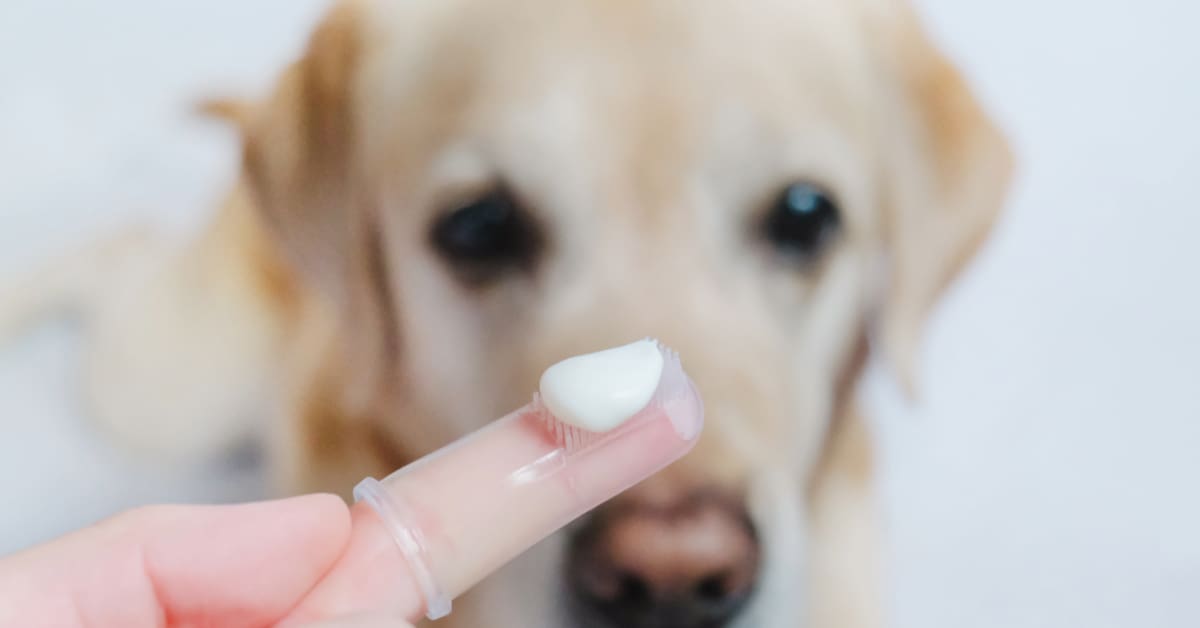
A dog’s smile says a lot, even when no one looks closely at their teeth. Many pets race to greet their families, chew toys with enthusiasm, and eat meals without hesitation while dental disease quietly progresses below the gumline. The importance of dog teeth cleaning goes far beyond fresh breath. Professional dental care protects comfort,…

A string of drool dangling from your dog’s mouth can catch your attention fast. Excessive drooling in dogs, also called hypersalivation, happens when saliva production increases or when a dog cannot swallow normally. While some breeds drool more than others, sudden or heavy salivation often signals that something has changed in your dog’s body. Pet…
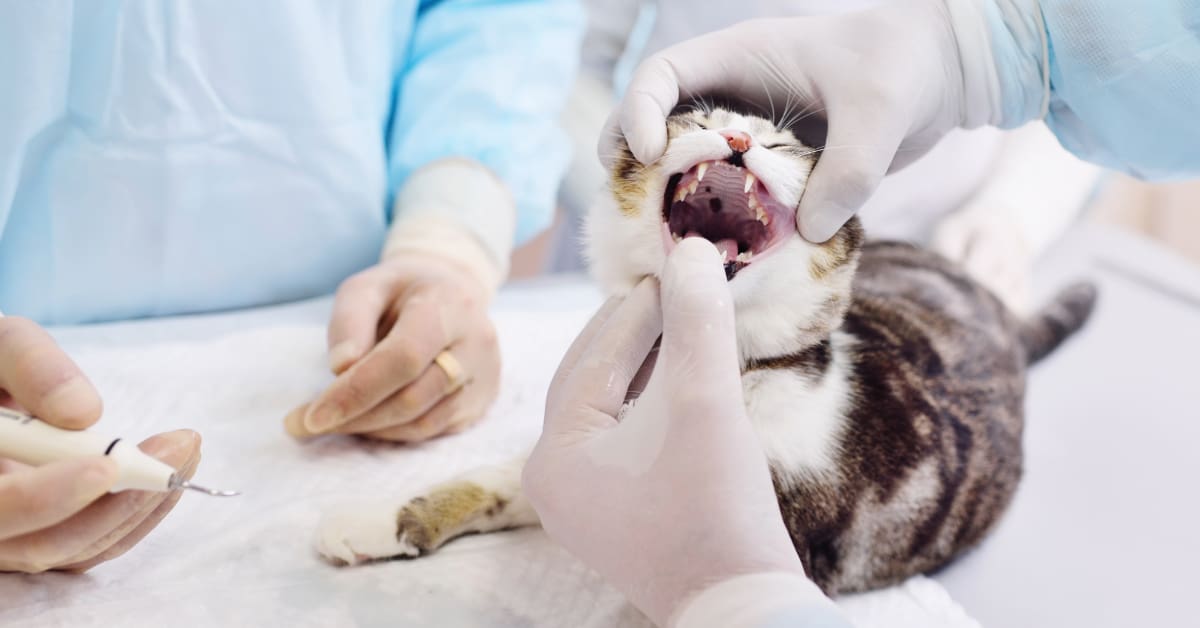
A quiet purr on the couch can hide a painful problem. Dental disease in cats ranks among the most common health conditions veterinarians diagnose, yet many cats show subtle signs until discomfort advances. This condition affects the teeth, gums, and supporting structures of the mouth, often starting with plaque buildup that leads to inflammation, infection,…
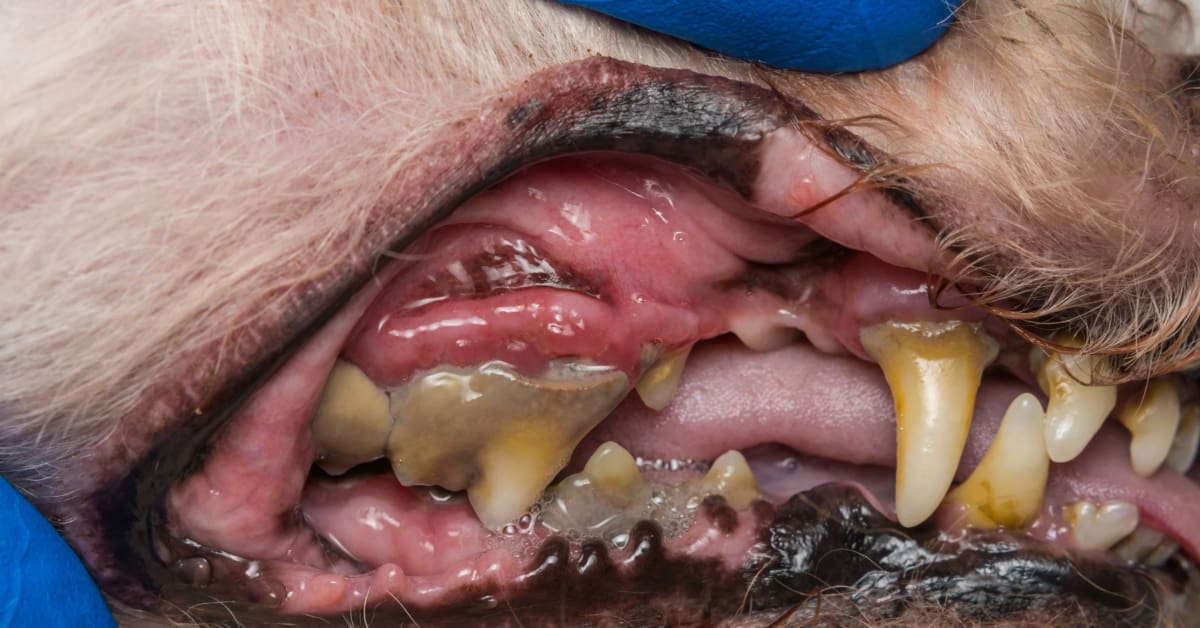
A quick glance inside your dog’s mouth can reveal more than you expect. That yellow or brown coating clinging to the teeth is tartar on dog’s teeth, and it signals that dental disease may already be in motion. Tartar forms when soft plaque hardens and bonds to the tooth surface, creating a rough layer that…

Ligament injuries in dogs are among the most common orthopedic problems veterinarians treat. These injuries often occur when a ligament, or a band of connective tissue that stabilizes a joint, stretches or tears due to sudden movement, trauma, or degeneration over time. When a ligament becomes damaged, dogs can experience pain, lameness, and joint instability…
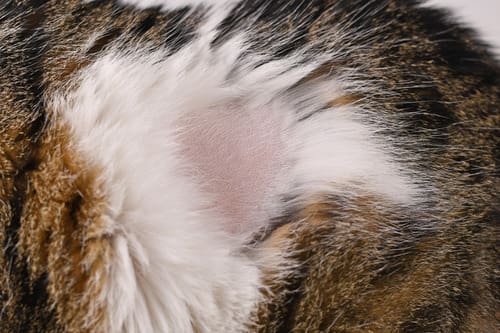
If you’ve recently noticed your cat losing patches of fur, you’re probably asking yourself, “Why is my cat balding?” Hair loss in cats, also known as feline alopecia, can happen for a variety of reasons ranging from allergies and stress to underlying medical conditions. While some shedding is normal, bald spots or thinning patches often…

Yes, cats can eat pumpkin in small, controlled portions. Plain, cooked pumpkin is safe and can even offer digestive benefits to cats when included appropriately in their diet. However, not all pumpkin products are suitable. Canned pumpkin pie filling, raw pumpkin, and seasoned pumpkin treats should be avoided because they often contain sugars, spices, or…

If you’ve ever heard your veterinarian mention an endoscopy for your dog, you may have wondered, what is a dog endoscopy and why might my pet need one? A dog endoscopy is a minimally invasive diagnostic procedure that allows veterinarians to look inside a dog’s body (particularly the gastrointestinal tract, nose, or airways) without performing…

Swollen gums in dogs are a common sign of inflammation or infection in the mouth. When your dog’s gums appear red, puffy, or bleed easily, it can indicate gum disease or other oral health problems that need professional attention. While the severity of swollen gums can vary, the condition almost always points to discomfort and…

If you’ve noticed that your kitten won’t eat, it’s understandable to feel concerned. Kittens are typically energetic, playful, and eager to eat, so when they suddenly lose interest in food, it often signals that something is off. Appetite loss in kittens can happen for many reasons, including stress, environmental changes, or underlying health conditions. When…