
Why is My Cat Balding?

If you’ve recently noticed your cat losing patches of fur, you’re probably asking yourself, “Why is my cat balding?” Hair loss in cats, also known as feline alopecia, can happen for a variety of reasons ranging from allergies and stress to underlying medical conditions. While some shedding is normal, bald spots or thinning patches often signal that something else is going on. If your cat is showing signs of balding, our team at Broad Ripple Animal Clinic in Indianapolis, Indiana, can help identify the cause. Call (317) 257-5334 or request an appointment today.
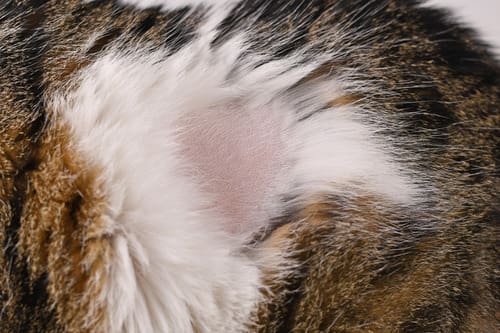
Common Causes of Cat Balding
When cat owners wonder why their cat is balding, they’re often surprised to learn that the cause could be physical, environmental, or behavioral. Let’s explore the most common reasons for feline hair loss so you can better understand what might be happening.
Allergies
One of the leading causes of cat balding is allergies. Cats can develop sensitivities to certain foods, pollen, mold, dust, or even flea bites. Flea allergy dermatitis, in particular, can trigger intense itching and lead to bald spots as your cat scratches or grooms excessively. Environmental or food allergies may cause similar irritation, especially around the face, neck, or base of the tail. Persistent grooming and scratching can cause thinning hair and even skin infections if not addressed.
Parasites
Parasites such as fleas, mites, or ringworm can cause cats to lose hair in specific areas. Fleas may target the lower back and tail, while mites or ringworm can lead to circular patches of hair loss with scaly or red skin. These parasites often make your cat uncomfortable, prompting them to lick or bite at affected areas. Regular veterinary checkups and year-round parasite prevention can help reduce the likelihood of this problem.
Hormonal or Endocrine Disorders
When a cat’s body experiences hormonal changes, hair growth may be affected. Conditions such as hyperthyroidism or other hormonal imbalances can lead to thinning fur or bald patches. Cats experiencing hormonal issues might also display other symptoms like changes in appetite, weight fluctuations, or altered behavior. If your cat’s balding is accompanied by these signs, it’s important to schedule a veterinary exam to pinpoint the cause.
Behavioral Causes of Hair Loss in Cats
In some cases, “Why is my cat balding?” isn’t a medical question, it’s a behavioral one. Cats can experience stress and anxiety just like people do, and one of their coping mechanisms is overgrooming.
Stress and Overgrooming
Stress-induced hair loss, known as psychogenic alopecia, is common among cats who experience changes in their environment. A new pet, a move, or even changes in household routines can trigger this behavior. Cats often lick or chew their fur as a self-soothing response, but over time, this can lead to visible bald spots, especially on the belly, thighs, or sides. Identifying and reducing sources of stress such as providing quiet spaces, enrichment, and consistent routines can help minimize this behavior.
Boredom
Balding can also stem from boredom-related grooming. Cats are intelligent and active creatures that need stimulation. When they lack engaging toys or playtime, they may overgroom simply out of habit. Increasing playtime, offering puzzle feeders, or introducing new activities can help redirect this behavior and improve their overall well-being.
Environmental and Seasonal Factors
Sometimes the answer to “Why is my cat balding?” is tied to changes in the environment. Seasonal shedding and environmental irritants can both contribute to hair loss in cats.
Seasonal Shedding
Cats naturally shed more hair in the spring and fall as they adjust to temperature changes. While shedding is normal, excessive thinning or bald patches could indicate another issue. Regular brushing can help manage seasonal shedding and keep your cat’s coat healthy.
Contact Irritants
Cats can develop bald spots due to reactions from certain cleaning products, laundry detergents, or materials they come in contact with. Skin irritation may occur when your cat lies on freshly cleaned surfaces or spends time near chemical sprays. Choosing pet-safe cleaning products and providing soft bedding can help minimize skin irritation.
Medical Conditions Linked to Cat Balding
Medical conditions can also explain cat balding. In many cases, fur loss is a symptom of an underlying issue that requires a veterinarian’s attention.
Skin Infections
Bacterial or fungal infections can lead to inflammation and hair loss in cats. Affected areas may appear red, flaky, or scabbed. These infections can develop secondary to excessive grooming, parasites, or allergies. If your cat’s skin looks irritated, schedule an exam to identify the cause and discuss treatment options with your veterinarian.
Pain or Discomfort
Cats often lick or chew areas that hurt. For example, a cat with arthritis may excessively groom near sore joints, creating bald spots. Similarly, a cat experiencing internal pain might groom a specific area repeatedly. While this self-soothing behavior is common, it can make the underlying problem harder to detect without a professional evaluation.
Genetic or Breed-Related Factors
Certain breeds are more prone to baldness than others. For instance, hairless breeds like the Sphynx naturally have minimal or no fur, while others like the Devon Rex or Cornish Rex may have thinner coats. Some cats also inherit genetic conditions that affect hair growth, making their baldness completely normal and harmless.
When It’s Time to Contact Your Broad Ripple Veterinarian
If you’re wondering, “Why is my cat balding?” and notice your cat’s fur loss worsening, it’s best to contact your veterinarian. While mild shedding can be normal, bald spots, irritated skin, or sudden thinning often require attention. Hair loss accompanied by other changes such as weight loss, poor appetite, or behavioral shifts can signal an underlying medical concern. At Broad Ripple Animal Clinic in Indianapolis, IN, our team uses diagnostic tools to identify the source of your cat’s hair loss. From allergy testing to skin exams and lab work, we’ll guide you through the process of understanding what’s happening and how to manage it effectively. Call (317) 257-5334 or request an appointment online to schedule your cat’s visit today.
Recent Posts
About Us
Your pet is unique, unconditionally loving, and a valued part of your family, and Broad Ripple Animal Clinic recognizes the incredible bond you share. You can rely on our veterinarians and staff in Indianapolis, IN to be here for you, and be deeply committed to providing the highest level of care each time you visit. This includes giving you a central voice in the care of your pet and making you an integral part of the decision-making process.
Our AAHA-accredited animal hospital delivers a full spectrum of services, advanced technology, comprehensive pain management, and regenerative therapies to promote better healing.